The Relationship Between Narrative Text and Creativity
Narrative text is a type of writing that tells a story, whether real or imaginary, often including characters, settings, problems, and resolutions. Examples include fairy tales, fables, myths, legends, and personal stories. Narrative text is not only an essential part of language learning but also a powerful tool to stimulate and develop students’ creativity.
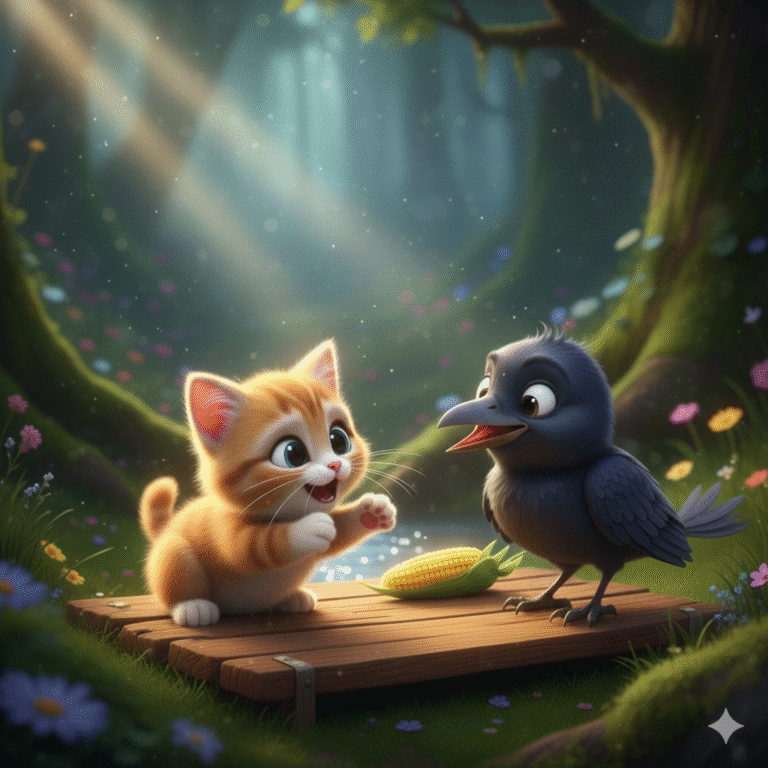
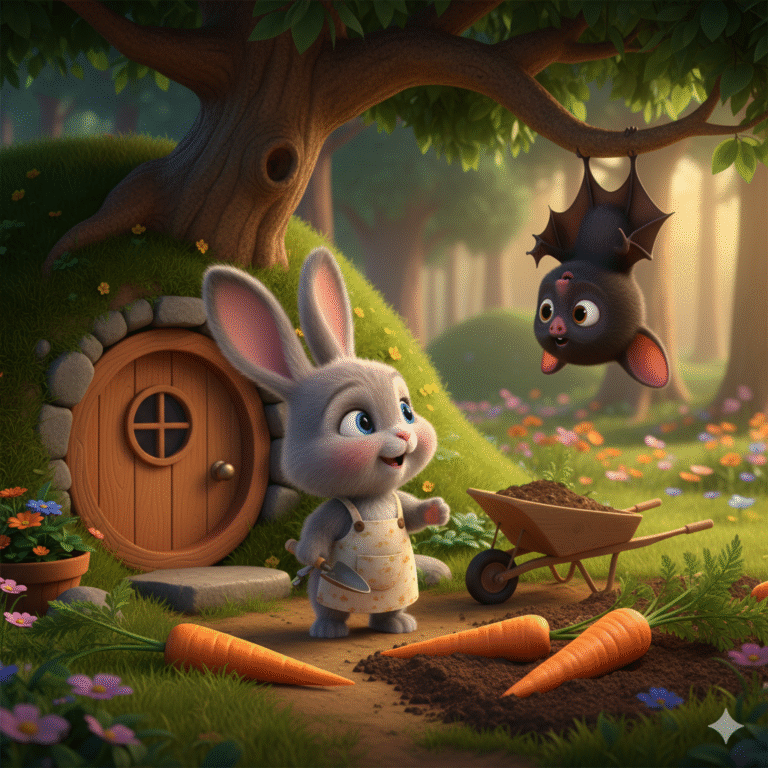
Firstly, narrative text encourages students to imagine and invent. When students create a story, they must think about characters, settings, events, and endings. For example, if a student writes a story about a magical forest, they decide what magical creatures live there, what adventures happen, and how the problem is solved. This process exercises the imagination, allowing students to generate original ideas and explore possibilities beyond their everyday experiences.
Secondly, narrative writing improves problem-solving creativity. Every narrative usually has a conflict or problem that characters must face, and the writer must think creatively about how it is resolved. For instance, a student writing about a lost puppy must imagine ways the puppy finds its way home or how characters help it. This teaches students to think critically and inventively, which can be applied not only in writing but also in real-life situations.
Thirdly, narrative texts enhance expressive creativity. Writing a story allows students to experiment with language, style, and tone. They can choose interesting words, create dialogues, use metaphors, or describe emotions vividly. This kind of linguistic creativity helps students express their thoughts and feelings in unique ways, making their stories engaging and personal.
Furthermore, reading and analyzing narrative texts also influence creativity. When students read stories, they are exposed to different perspectives, cultures, and imaginative ideas, which inspire them to create their own narratives. They learn how authors build characters, develop plots, and use descriptive language, which stimulates their own creative thinking and writing skills.
Narrative texts also encourage reflective creativity. By thinking about characters’ decisions, consequences, and moral lessons, students can relate these ideas to their own experiences. This reflection helps them understand cause-and-effect relationships, consider multiple outcomes, and imagine alternative solutions—key aspects of creative thinking.
In conclusion, narrative texts and creativity are closely linked. Writing and reading narratives help students to:
- Imagine and invent new ideas through storytelling.
- Develop problem-solving skills by creating conflicts and resolutions.
- Experiment with language and expression to communicate uniquely.
- Draw inspiration from other stories to enrich their own creativity.
- Reflect on experiences and choices, enhancing critical and creative thinking.
Therefore, narrative text is more than just a school assignment; it is a tool for nurturing creativity, critical thinking, and self-expression. By engaging with narrative texts, students not only become better writers but also more imaginative, reflective, and inventive thinkers—skills that are valuable for lifelong learning and personal development.
About the Author